Development Finance in Haringey — Fund Your Next Project
Fund your next Haringey property development with competitive senior debt facilities. Up to 70% LTC and 65% GDV from our panel of 100+ specialist lenders.
- Up to 70% Loan to Cost
- Up to 65% of Gross Development Value
- Rates from 0.65% per month
- Terms from 6-36 months
- New build, conversion & refurbishment
- Decisions within 24 hours
What Is Development Finance?
Development finance is a specialist form of property lending designed to fund the construction, conversion, or substantial refurbishment of residential and commercial buildings. Unlike a standard mortgage — which is advanced as a single lump sum against an existing property — development finance is released in carefully managed stages that mirror the progress of your build programme. Each drawdown is verified by an independent Quantity Surveyor who inspects the works on site before certifying that funds should be released.
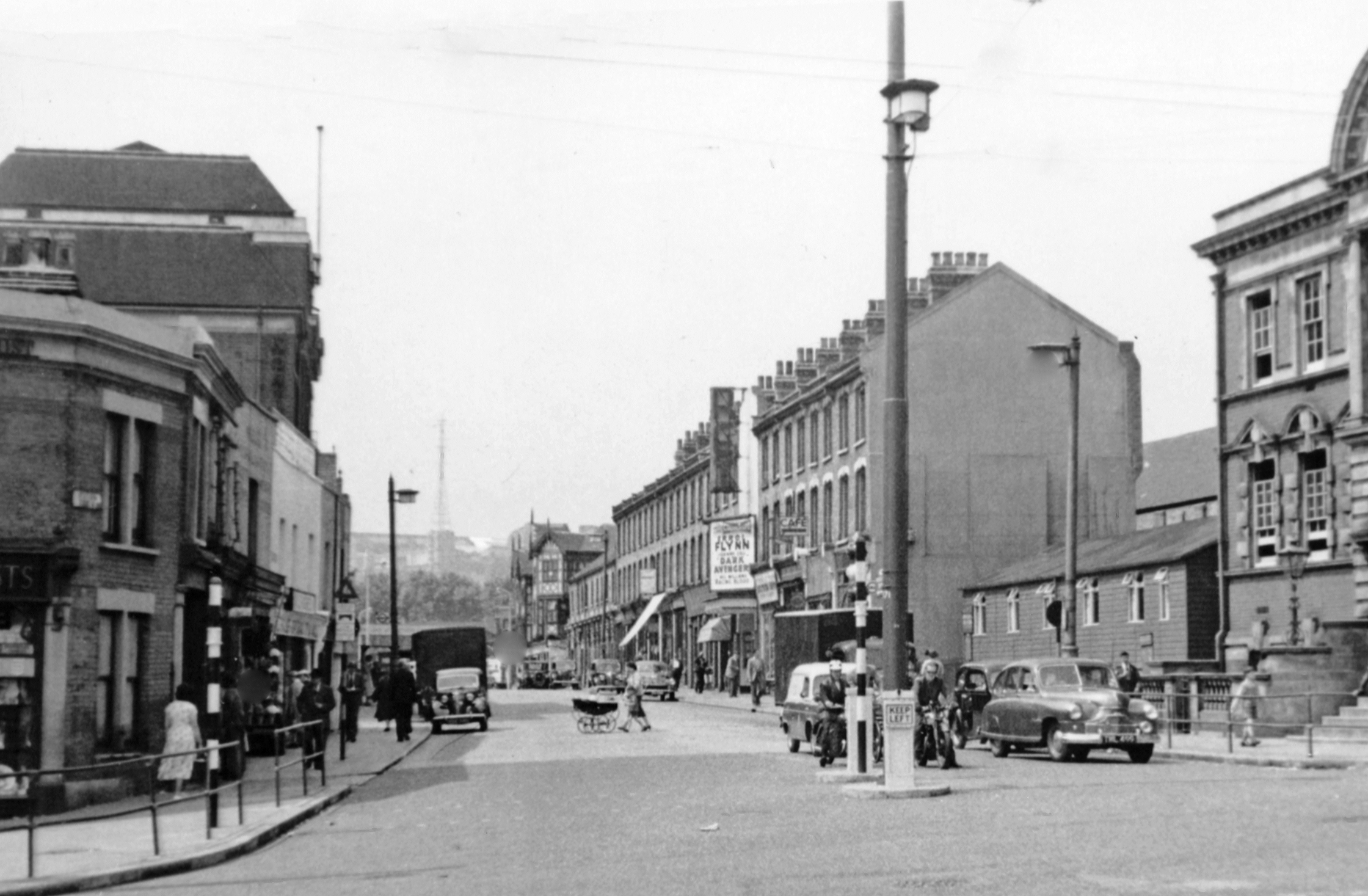
For property developers operating in the London Borough of Haringey, development finance is the backbone of virtually every construction and conversion project. Whether you are building a new apartment block in Tottenham's rapidly regenerating corridor, converting a period Edwardian house in Crouch End into premium flats, or delivering a mixed-use scheme on Wood Green High Road, this type of funding provides the capital you need while keeping your own equity contribution to a manageable level.
Haringey presents a particularly compelling landscape for development finance. The borough sits at the intersection of several powerful growth drivers: the multi-billion-pound Tottenham Regeneration Programme anchored by the Tottenham Hotspur Stadium, the designation of Wood Green as a Strategic Growth Area with major mixed-use development planned, and the enduring demand for high-quality residential property in established neighbourhoods such as Muswell Hill, Highgate, and Crouch End. Average property prices vary enormously — from around £425,000 in Tottenham to over £1.25 million in Highgate — creating opportunities for developers at every scale and experience level.
At Haringey Development Finance, we specialise in sourcing development finance from a panel of over 100 specialist lenders. Because every development project is different, we take the time to understand your scheme, your experience, and your financial objectives before presenting you with the most competitive options available. Our deep familiarity with Haringey's planning environment, property market, and local development dynamics means we can present your project to lenders in the strongest possible light — helping you secure better rates, higher leverage, and faster completion times.
Whether you are an experienced developer with a portfolio of completed schemes or a first-time developer stepping onto the ladder, we provide the expert guidance and lender access you need to fund your next Haringey project with confidence.
£400M+
Funded for developers
100+
Specialist lenders
Types of Development Finance
Development projects are funded through layers of capital, each with different risk-return characteristics. Understanding the capital stack helps you optimise your funding structure.
Senior Debt
The primary development loan secured by a first legal charge on the property. Senior debt typically funds up to 60-70% of total project costs at the lowest interest rates in the capital stack. It is drawn down in stages against Quantity Surveyor certificates and represents the safest position for the lender — and therefore the cheapest source of capital for you.
Stretched Senior
A single facility from one lender that provides higher leverage than standard senior debt — typically 75-80% of costs. Stretched senior eliminates the complexity of managing two lenders and intercreditor agreements, although rates are slightly higher than standard senior to compensate for the additional risk.
Mezzanine Finance
A second-charge loan that sits behind the senior lender, filling the gap between senior debt and your equity. Mezzanine can push total leverage to 85-90% of costs, significantly reducing your cash requirement. Rates are higher than senior debt (typically 1-1.5% per month) reflecting the subordinated position. An intercreditor agreement between the senior and mezzanine lenders is required.
Development Equity
An equity partner invests alongside you in exchange for a share of the development profit. Equity can fund up to 100% of project costs when combined with debt, meaning you contribute little or no cash. In return, you share a portion of the profit — typically 30-50% — with the equity provider. This is ideal for developers with strong deal-sourcing skills but limited capital.
The Capital Stack
Gross Development Value (GDV)
100%
Developer Equity
Your own cash contribution to the project. Typically the first loss position, but also earns the highest returns.
10-30%
Mezzanine Finance
Second charge debt that sits between senior debt and equity, reducing the cash you need to put in.
70-85% LTC
Senior Debt
The primary development loan secured by a first charge on the property. Lowest cost layer of finance.
Up to 70% LTC
Secured Against: Site + Works in Progress
The capital stack shows how different layers of finance combine to fund a development project. Senior debt sits at the bottom (safest), equity at the top (highest risk/reward).
How Development Finance Works
From initial application to final repayment, here is what to expect when you arrange development finance through Haringey Development Finance.
Application & Appraisal
Submit your project details including site information, planning status, build costs, and projected GDV. Our team appraises the scheme and searches our lender panel for optimal terms within 24 hours.
Valuation & Due Diligence
The lender instructs a RICS-qualified valuer to assess both the current site value and the projected Gross Development Value. Solicitors carry out title checks, searches, and legal due diligence in parallel.
Facility Agreement & First Drawdown
Once credit-approved, you sign the facility agreement and the initial tranche is released — typically covering the site acquisition or refinance of an existing purchase. Funds land in your solicitor's account.
Staged Drawdowns & Monitoring
As construction progresses, a Quantity Surveyor inspects completed works and certifies each stage. On certification, the next tranche is released. This protects both you and the lender throughout the build programme.
Exit & Repayment
The facility is repaid from the sale of finished units, a refinance onto long-term investment debt, or a combination of both. We help you plan and execute the exit strategy from day one.
Development Finance at a Glance
The headline numbers for development finance in Haringey. Actual terms depend on your project specifics, experience, and the lender selected.
Loan to Cost
Up to 70%
Borrow up to 70% of total project costs including acquisition, build, and professional fees.
Gross Development Value
Up to 65%
Facility capped at 65% of the independently assessed end value of the completed scheme.
Monthly Rate
From 0.65%
Competitive monthly interest rates starting at 0.65% for well-located Haringey residential schemes.
Loan Term
6 – 36 Months
Flexible terms aligned to your build programme. Extensions available subject to project progress.
What Projects We Fund in Haringey
We arrange development finance for the full spectrum of property projects across the borough — from single-unit conversions to large-scale residential and mixed-use schemes.
New Build Residential
Ground-up construction of houses and apartment blocks across Haringey, from boutique schemes of two or three houses to larger developments of 50-plus units in regeneration zones such as Tottenham and Wood Green.
Conversions
Converting existing buildings into residential units — including commercial-to-residential under permitted development rights, period house subdivisions in Crouch End and Muswell Hill, and office-to-flat schemes.
Heavy Refurbishment
Substantial refurbishment projects that go beyond cosmetic works, involving structural alterations, extensions, or changes to the building layout. Common across Haringey's Victorian and Edwardian housing stock.
Mixed-Use Schemes
Developments combining commercial ground-floor units with residential above, particularly along high streets in Wood Green, Turnpike Lane, and Green Lanes. These schemes support Haringey Council's regeneration objectives.
Commercial Development
Purpose-built commercial and light-industrial projects, including flexible workspace, trade counter units, and small business premises. Demand is growing in areas like Tottenham and Bounds Green.
Eligibility for Development Finance
Development finance is assessed on the viability of the project as much as the strength of the borrower. Here are the typical requirements lenders look for when considering a Haringey development scheme.
A clearly defined development project within the London Borough of Haringey or surrounding areas
Full planning permission granted, or a strong basis for planning (e.g. permitted development, prior approval, or a resolution to grant)
A realistic and fully costed build programme prepared by a qualified quantity surveyor or contractor
Demonstrated development experience — or willingness to appoint an experienced project manager if you are a first-time developer
A viable exit strategy, whether that is selling completed units on the open market, refinancing to a buy-to-let mortgage, or a combination of both
Personal net assets sufficient to cover any required equity contribution and a reasonable contingency buffer
Clean credit history preferred, although some specialist lenders can accommodate minor adverse credit
A limited company or Special Purpose Vehicle (SPV) structure — most development lenders require this for ring-fencing project risk
Not Sure If You Qualify?
Every project is different, and lender criteria vary considerably across our panel of 100+ specialists. Even if you do not meet every requirement above, we may still be able to find a suitable funding solution for your Haringey development.
Contact us for a free, no-obligation assessment of your project. We will let you know where you stand and what options are available — usually within 24 hours.
Development Finance vs Bridging vs Mezzanine
Each type of property finance serves a different purpose. Understanding the differences helps you choose the right product — or the right combination — for your project.
| Feature | Development Finance | Bridging Finance | Mezzanine Finance |
|---|---|---|---|
| Purpose | Fund ground-up builds & heavy refurbs | Short-term acquisition or chain break | Top-up leverage beyond senior debt |
| Typical LTC / LTV | Up to 70% LTC | Up to 75% LTV | 70-90% combined LTC |
| Rates (monthly) | From 0.65% | From 0.55% | From 1.0% |
| Term | 6 – 36 months | 1 – 24 months | 6 – 24 months |
| Drawdown | Staged against QS certificates | Single lump sum at completion | Drawn alongside senior facility |
| Security | First charge + personal guarantee | First charge on property | Second charge behind senior lender |
| Monitoring | QS inspections each stage | Generally none | Aligned with senior lender QS |
| Exit route | Unit sales or refinance | Sale, refinance, or dev finance | Repaid from sales alongside senior |
| Best for | Property development projects | Quick purchases & short-term needs | Reducing equity requirement |
Example Haringey Development Finance Scenarios
Illustrative examples of the type of development finance we structure for property developers across the borough. These are illustrative scenarios, not completed transactions.

Residential New Build, Tottenham N17
A 12-unit residential development on a former commercial site near Tottenham Hale. The scheme involved demolition of the existing building and construction of a purpose-built apartment block with a mix of one and two-bedroom flats.
Funding
£2.4M
GDV
£4.1M
LTC
65%
Term
16 months

Period Conversion, Crouch End N8
Conversion of a large Edwardian house into four premium apartments in a sought-after Crouch End street. The project required careful handling of the conservation area planning requirements while maximising the development value.
Funding
£850K
GDV
£1.6M
LTC
70%
Term
10 months

Mixed-Use Development, Wood Green N22
A mixed-use development combining ground floor commercial units with 18 residential apartments above. Located on the Wood Green High Road, the scheme contributed to the council's regeneration vision for the area.
Funding
£3.8M
GDV
£6.5M
LTC
60%
Term
22 months
Development Finance FAQs
Answers to the most common questions about development finance in Haringey
Ready to Fund Your Haringey Development?
Get competitive development finance terms within 24 hours. Whether you're planning a new build, conversion, or refurbishment, our team will find the best funding solution from our panel of 100+ specialist lenders.